
As we begin constructing a beautiful addition to our campus, it is good to remember that beauty and proportion in architecture are marks of true civilization. Philip Rhea, the architect of Saint Julian’s Hall, articulated this reality in the following speech delivered at our groundbreaking event.

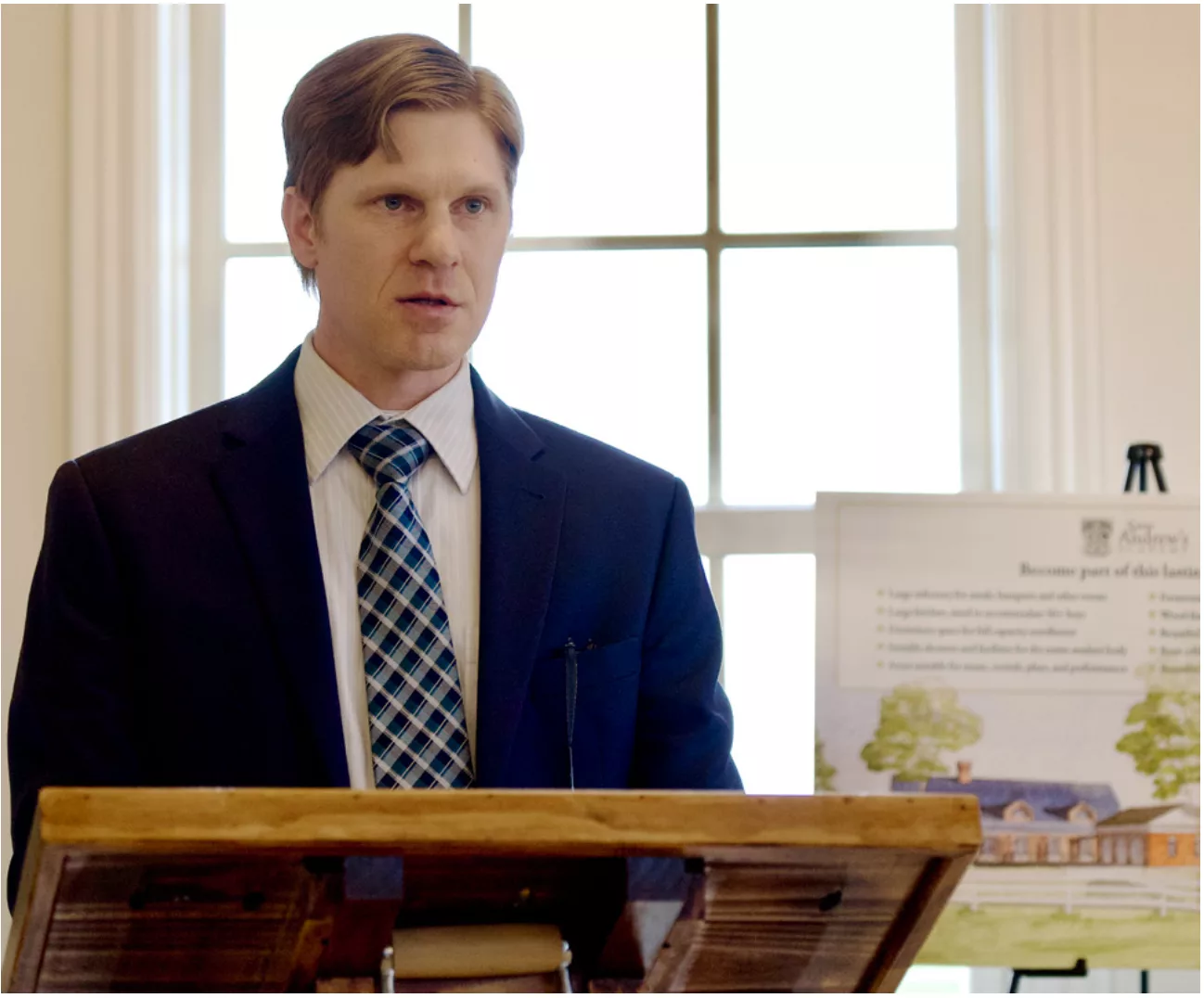
Ladies and gentlemen, fathers and mothers, benefactors and friends, and especially, the young men of this school:
Today we break ground not merely for a building, but for continuing a way of life.
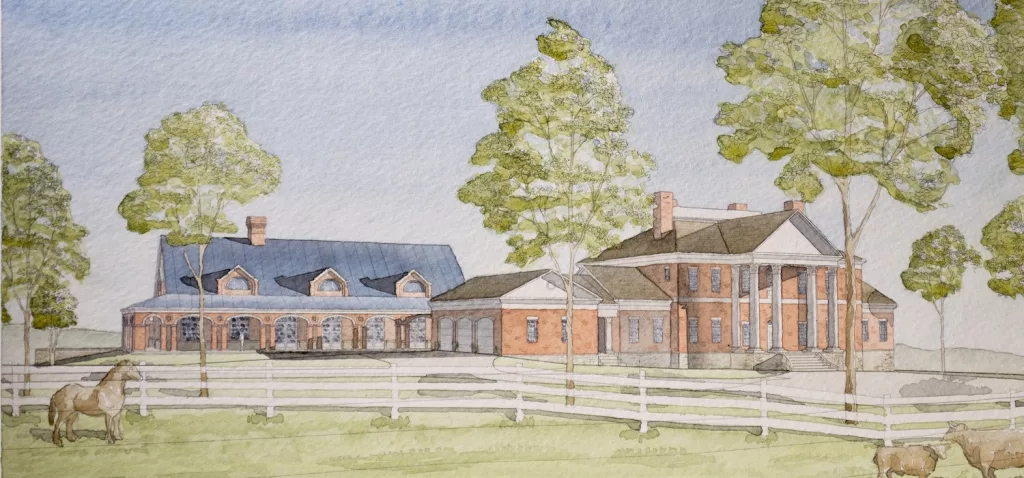
On this Kentucky farm, under the open sky, we begin the construction of St. Julian’s Hall — a refectory, yes, but also something much greater: a place where meals will foster fellowship, where labor will culminate in gratitude, and where the ordinary acts of daily life may be elevated into culture.
The ancients understood a building’s importance. The Roman architect Vitruvius taught that true architecture must possess three qualities: firmness, commodity, and delight —that is strength, usefulness, and beauty. These were not merely technical concerns. They reflected an understanding of man himself. A building should stand firm, because truth does. It should serve the needs of human life, because man is made for order. And it should delight, because beauty is not an ornament to civilization — it is one of the very signs of civilization.
Centuries later, Andrea Palladio carried this building tradition forward. He believed that architecture should express harmony, proportion, and order because these things reflect the created order of the universe itself. When we stand before noble buildings, we are reminded — often without words — that the world is intelligible, meaningful, and governed by more than just appetite or utility.
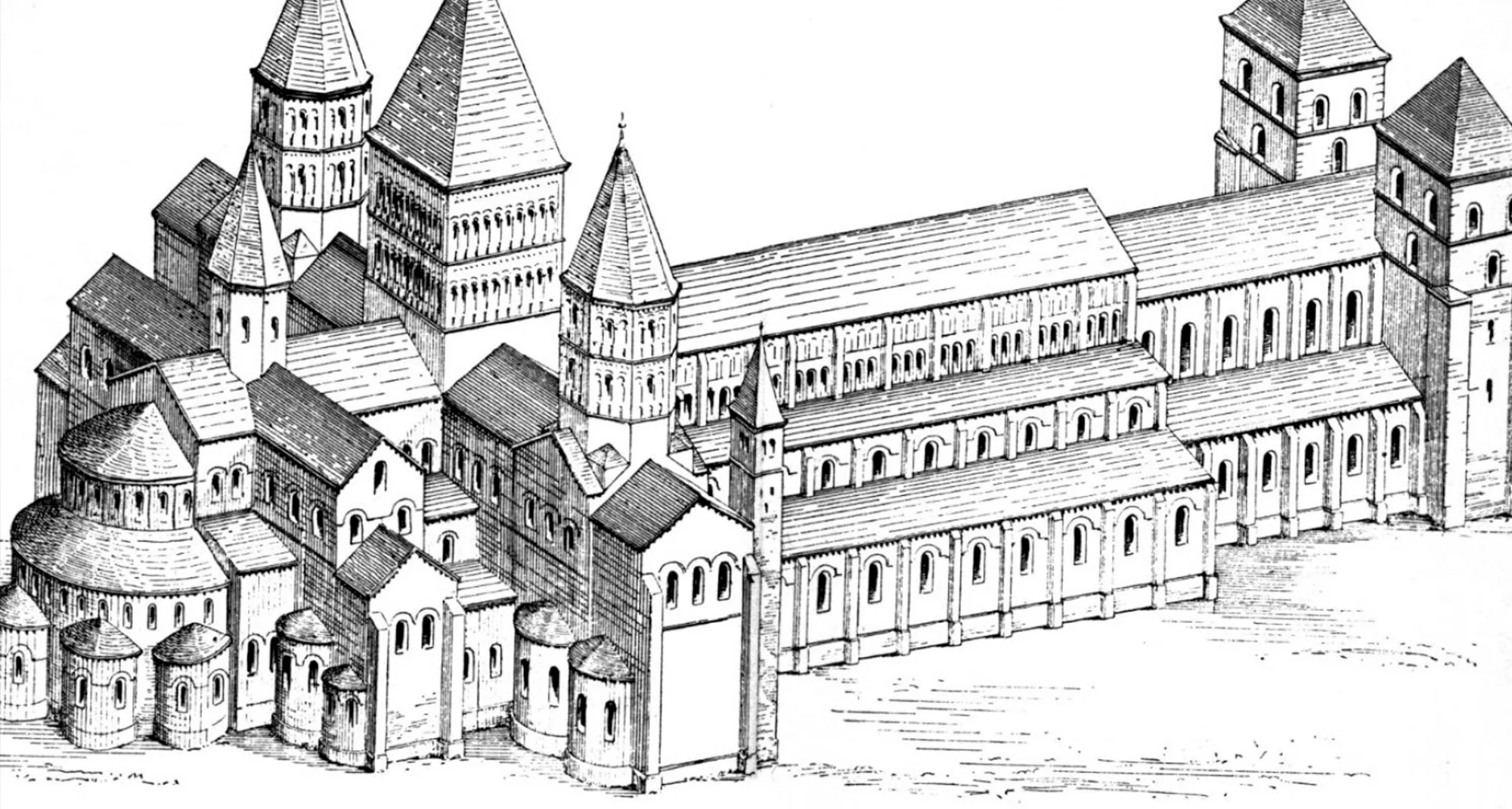
Perhaps nowhere was this more fully understood than in the monasteries of Christendom. The monks who cultivated fields, copied manuscripts, brewed ale, rang bells, and built abbeys understood that architecture forms souls. Their cloisters and refectories were not luxuries. They were instruments of education. Masonry walls, timber roofs, gardens, chapels, and halls together created an atmosphere where prayer, study, work, and festivity belonged to one unified life. That monastic inheritance became the seedbed of Christian culture in the West.
It is no accident that we gather here today at a school inspired by the vision of John Senior, a man who understood Christian culture well. He taught that this culture is not first transmitted through abstractions, but through lived experiences; through music, poetry, stargazing, craftsmanship, conversation, and places worthy of human dignity.
Boys grow into men not only by instruction, but by fully inhabiting a world ordered toward the good, the true, and the beautiful. That is why buildings matter.
The American tradition of the building arts once understood this deeply. From the village churches of New England, to the civic buildings of the South, to the stone campuses of the Midwest, architecture in this country once sought permanence, craftsmanship, and local character. Carpenters, masons, plasterers, and smiths practiced trades with pride because they understood themselves to be participating in something larger than mere construction. Building was a moral act. It shaped communities across generations.
We have lost much of that inheritance. Modern architecture, teaches transience, rootlessness, and utility stripped of beauty. It constructs quickly; it discards quickly. We have forgotten that the built environment silently educates every soul who passes through it.
But today, we make an act of recovery. The construction of St. Julian’s Hall declares that Catholic culture is not dead. It declares that tradition is not nostalgia. It declares that beauty still belongs to ordinary life — to meals, conversation, and education.
To the young men here today: remember that civilization is not cultivated by spectators. It is cultivated by builders.
Some of you may become architects, craftsmen, or farmers; priests, fathers, or teachers. Whatever your vocation, you are called to build onto tradition — to take what you have received and hand it on enriched and strengthened.
This hall will one day echo with prayer before meals, with singing and laughter, with argument and friendship, with feast days and ordinary Wednesdays. Long after we are gone, boys not yet born will gather under its roof and inherit something from the work begun here today. That is the purpose of tradition.
We plant trees whose shade we may never sit beneath. We lay stones for generations we will never meet.
So let this groundbreaking be more than ceremonial. Let it be a sign of confidence — confidence that truth can still be taught, that beauty can still be built, and that authentic Catholic culture can still take root in American soil.
May God bless the work we begin today.
Groundbreaking Ceremony


A new building for our growing Academy!
What was once a quiet corner of Kentucky is now a vibrant academy for boys who are learning to be joyful and responsible Catholic men. In just three short years, we have outgrown our current building, and now face the urgent need to expand.
Take advantage of this unique opportunity to make a visible and lasting contribution to our apostolate – make a tax-deductible donation today!